The Ultimate Guide To Companion Planting: The Best Vegetables To Grow Together
The Ultimate Guide to Companion Planting: The Best Vegetables to Grow Together
Companion planting is a gardening practice that involves planting certain types of plants together to benefit each other. By planting compatible plants together, you can improve their growth, deter pests, and attract beneficial insects.
There are many different benefits to companion planting. Some of the most common benefits include:
- Improved growth: Companion plants can help each other grow by providing shade, nutrients, or water. For example, tomatoes and basil are often planted together because basil helps to deter tomato hornworms.
- Deterrence of pests: Certain plants can help to deter pests by releasing chemicals that repel them. For example, marigolds are often planted near tomatoes to help deter nematodes.
- Attraction of beneficial insects: Some plants attract beneficial insects, such as ladybugs and bees. These insects can help to control pests and pollinate your plants.
If you're new to companion planting, it can be helpful to start by learning about the basic principles. Here are a few things to keep in mind:
- Plants with similar needs: It's important to plant compatible plants together. This means planting plants that have similar water, sunlight, and nutrient requirements.
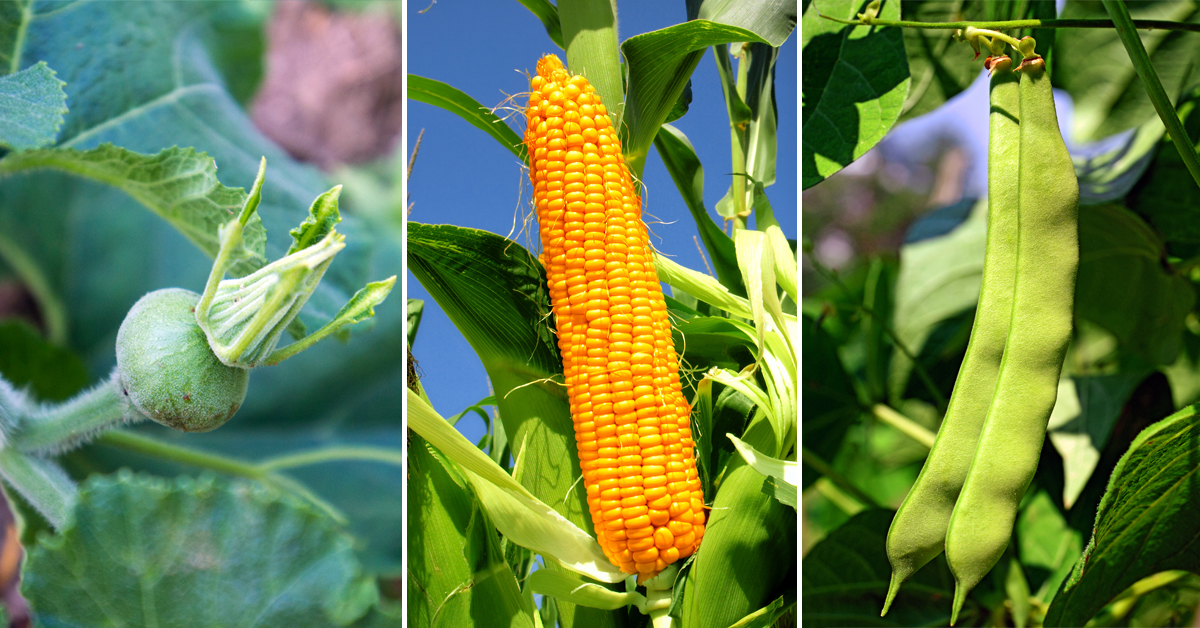
- Complementary growth habits: You also want to plant plants with complementary growth habits together. For example, you might plant a tall plant like corn with a shorter plant like beans. The corn will provide shade for the beans, and the beans will help to fix nitrogen in the soil for the corn.
- Pest and disease control: Consider planting plants that repel or attract pests and diseases. For example, you might plant marigolds near tomatoes to help deter nematodes, or you might plant basil near tomatoes to help deter tomato hornworms.
Once you understand the basic principles of companion planting, you can start to experiment with different combinations of plants. There are many resources available to help you find compatible plant pairings. You can find books, websites, and even apps that list different companion planting combinations.
Here are a few of the best vegetables to grow together:
Tomatoes and basil: Basil helps to deter tomato hornworms, and tomatoes provide shade for basil. Carrots and onions: Onions help to repel carrot flies, and carrots help to improve the flavor of onions. Peas and beans: Peas fix nitrogen in the soil for beans, and beans provide support for peas. Lettuce and spinach: Lettuce shades spinach from the hot sun, and spinach helps to deter aphids from lettuce. Pumpkins and squash: Pumpkins and squash help to shade the soil, which helps to keep it cool and moist.
These are just a few of the many great vegetable pairings that you can try. With a little planning, you can create a companion planting plan that will help your vegetables thrive.
Are you planning to start a vegetable garden this year? If so, you'll want to do your research to make sure you're planting the right vegetables together. Some vegetables, like carrots and dill, do not grow well together, while others, like basil and tomatoes, are natural companions.
To find out more about which vegetables grow best together, I recommend visiting Gardenia Inspiration. This website has a comprehensive list of companion planting charts, as well as other helpful information about vegetable gardening.
In addition to companion planting, there are a few other things you can do to ensure a successful vegetable garden. First, make sure you choose the right location for your garden. Your garden should get at least 6 hours of sunlight per day, and the soil should be well-drained.
Second, prepare your soil properly before planting. This means adding compost or other organic matter to the soil to improve its fertility.
Finally, water your plants regularly, especially during hot, dry weather.
With a little planning and effort, you can grow a beautiful and productive vegetable garden this year. So what are you waiting for? Start planning today!
FAQ of best vegetables to grow together
Q: What are the best vegetables to grow together?
A: There are many factors to consider when choosing vegetables to grow together, such as their compatibility, spacing requirements, and nutrient needs. Some of the best vegetables to grow together include:
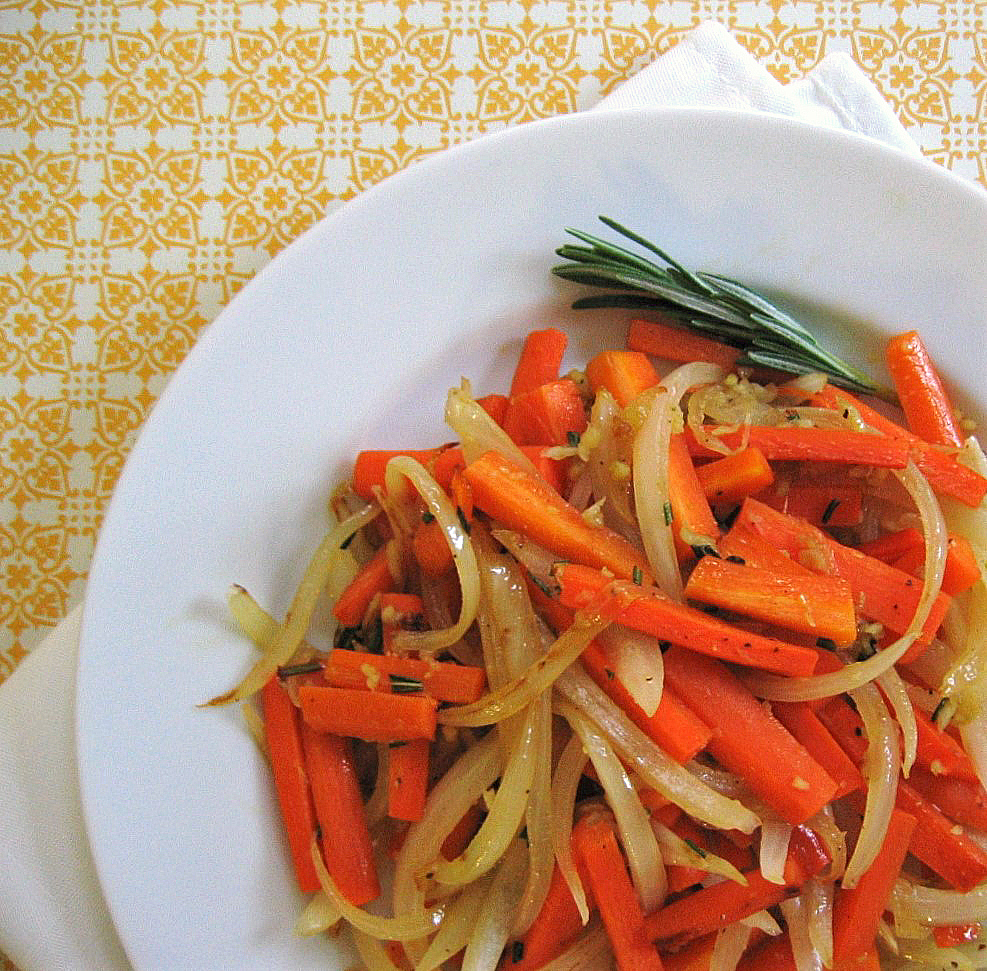
- Carrots and onions: These two vegetables have different root systems, so they won't compete for space. They also repel each other's pests, so they can help to protect each other.
- Beans and tomatoes: Beans fix nitrogen in the soil, which is beneficial for tomatoes. Tomatoes also provide shade for beans, which can help to prevent them from bolting.

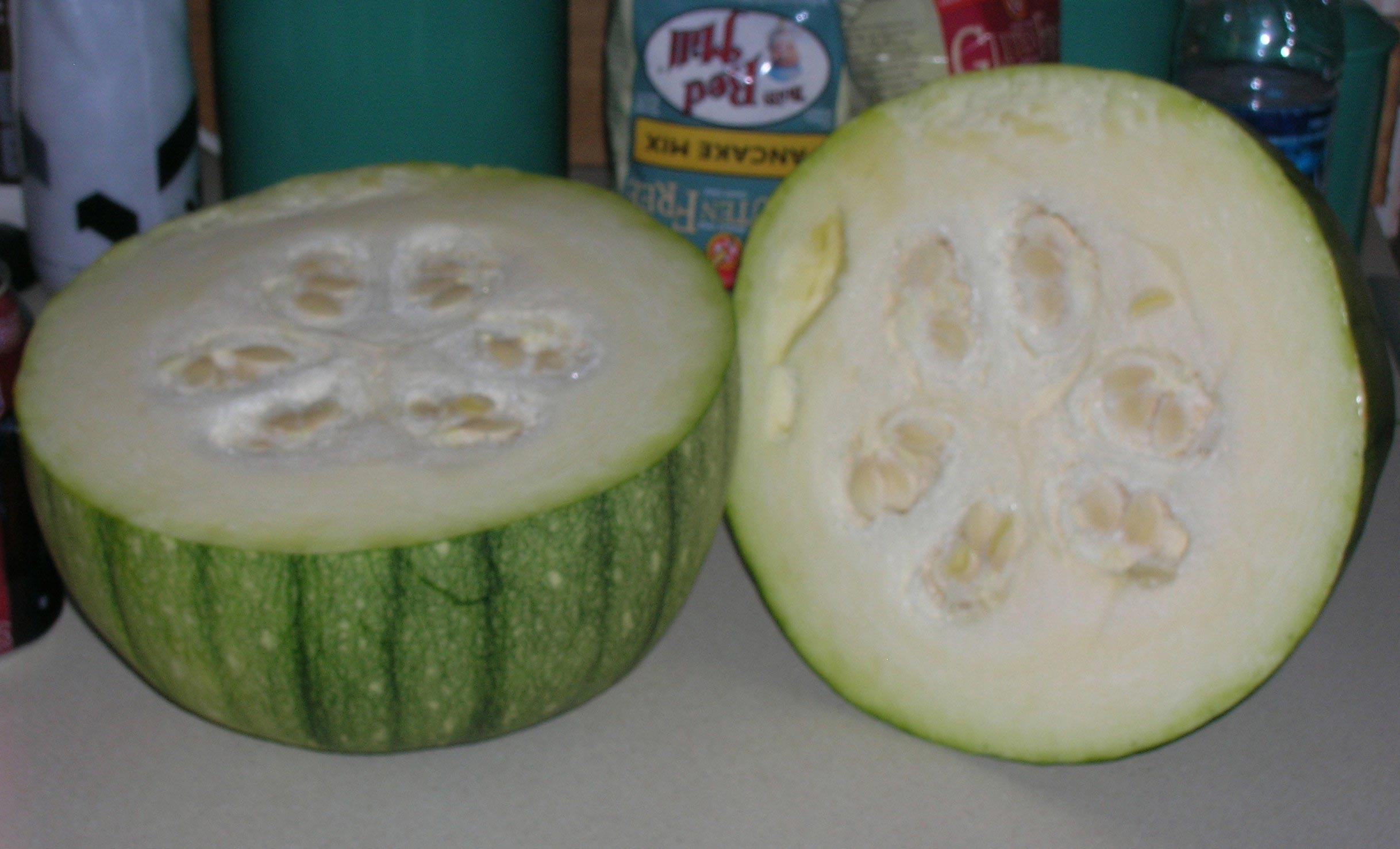
- Cucumbers and melons: These two vegetables have similar water and nutrient needs, so they can be grown together successfully. They also benefit from being planted near each other, as they can help to attract pollinators.
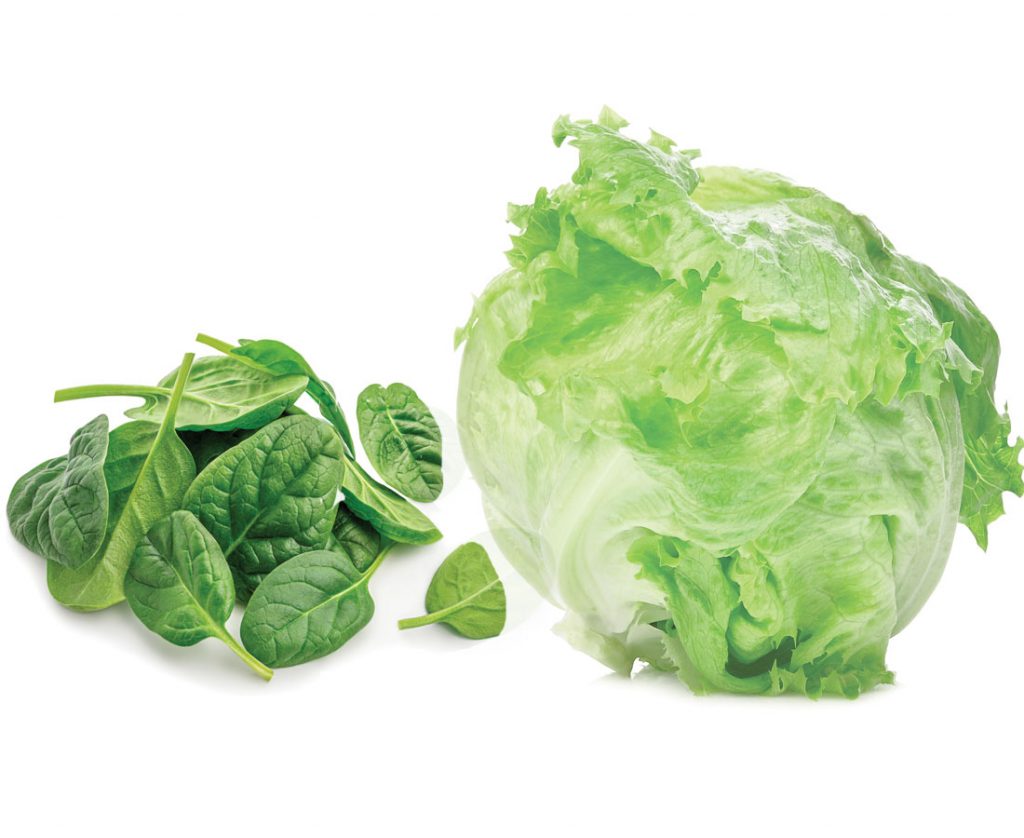
- Lettuce and spinach: These two leafy greens can be planted close together, as they don't require a lot of space. They also have similar nutrient needs, so they can be fertilized together.
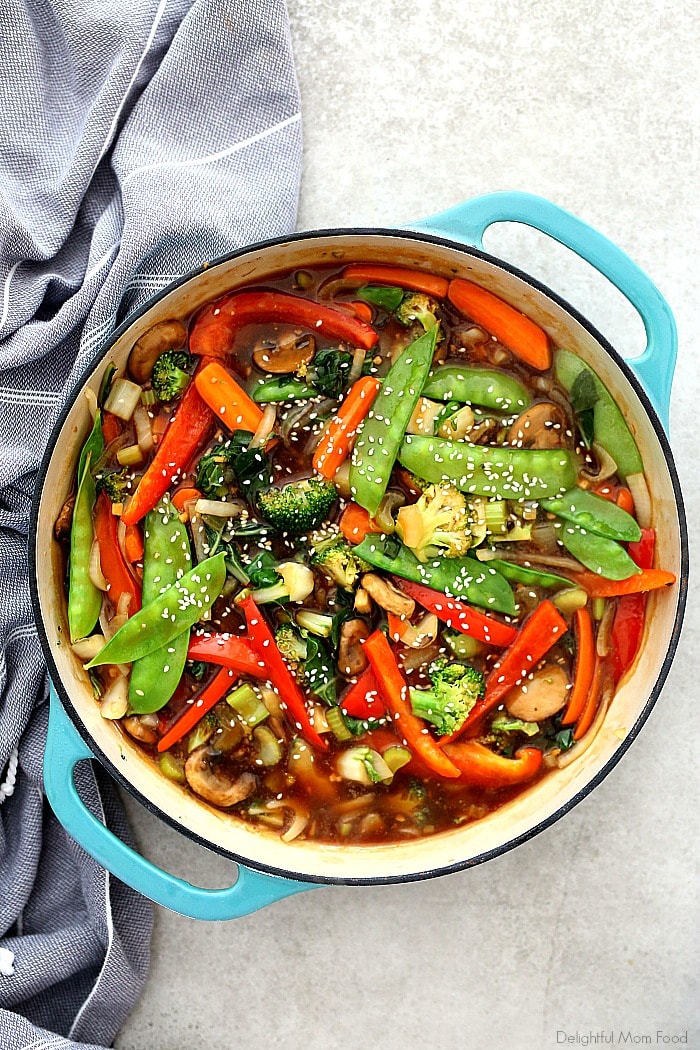
- Peas and peppers: Peas can help to improve the soil structure, which is beneficial for peppers. Peppers also provide shade for peas, which can help to prevent them from bolting.
Q: How do I know which vegetables are compatible?
A: There are a few resources that can help you to determine which vegetables are compatible. One resource is the USDA Plant Hardiness Zone Map, which can help you to find vegetables that are suited to your climate. Another resource is the University of California, Davis Vegetable Gardening website, which has a list of compatible vegetables.
Q: How do I space vegetables correctly?
A: The amount of space you need to give each vegetable will vary depending on the type of vegetable and its mature size. For example, tomatoes need at least 2 feet of space, while carrots only need 1 foot of space. You can find the spacing requirements for specific vegetables in gardening books or online resources.
Q: What are the benefits of companion planting?
A: Companion planting is the practice of planting certain vegetables together in order to improve their growth and health. There are many benefits to companion planting, including:
- Attracting pollinators: Some vegetables, such as tomatoes and peppers, attract pollinators, which can help to improve the pollination of other vegetables in the garden.
- Reducing pests and diseases: Some vegetables can help to repel pests and diseases, which can protect other vegetables in the garden. For example, marigolds can help to repel nematodes, which can damage carrots.
- Improving soil quality: Some vegetables, such as beans and peas, can fix nitrogen in the soil, which can improve the soil quality for other vegetables.
Q: What are some common mistakes people make when growing vegetables together?
A: Some common mistakes people make when growing vegetables together include:
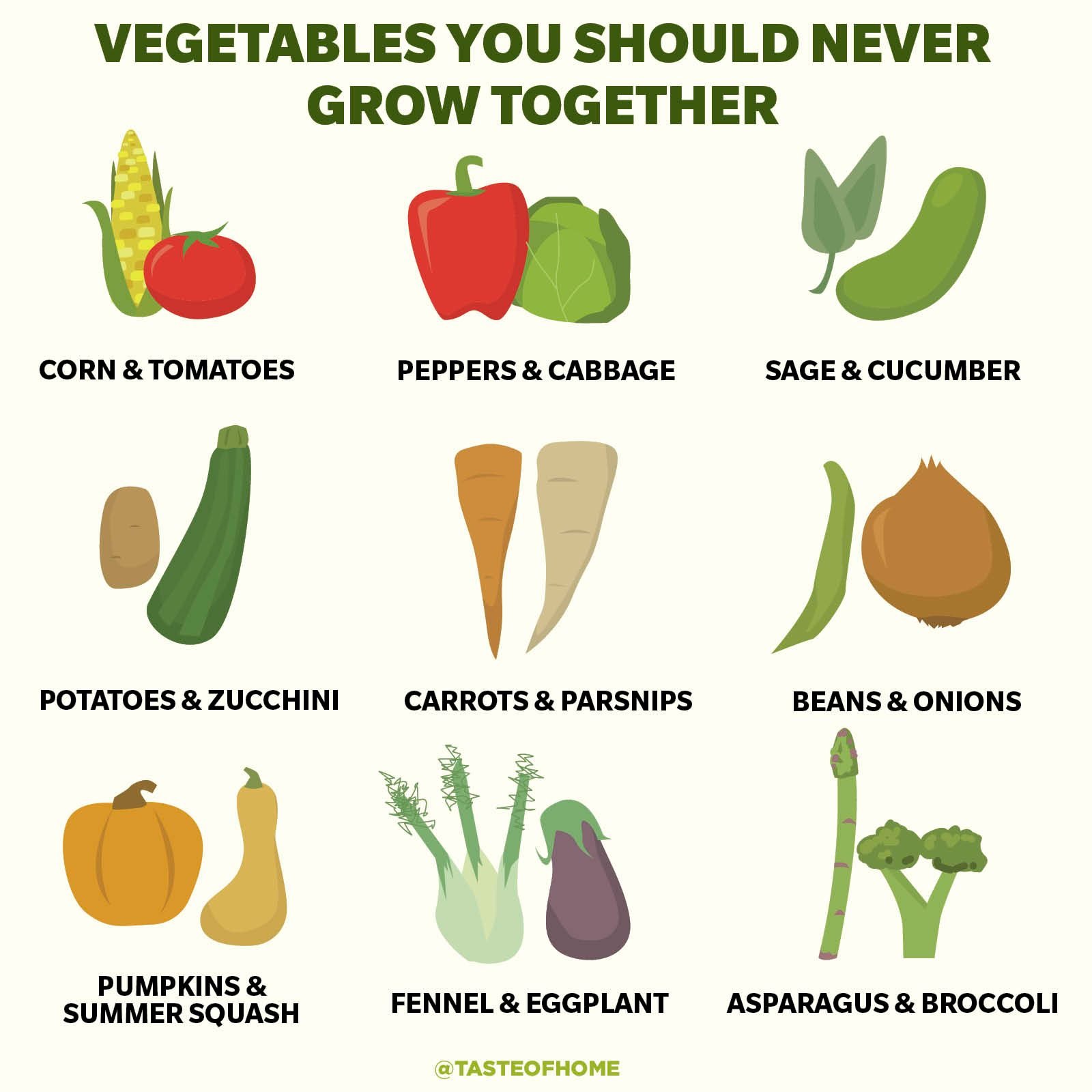
- Planting incompatible vegetables: Not all vegetables are compatible, so it's important to do your research before planting them together.
- Not spacing vegetables correctly: Not giving each vegetable enough space can stunt their growth and make them more susceptible to pests and diseases.
- Not watering vegetables properly: Vegetables need different amounts of water, so it's important to water them according to their specific needs.
- Not fertilizing vegetables properly: Vegetables need different nutrients, so it's important to fertilize them according to their specific needs.
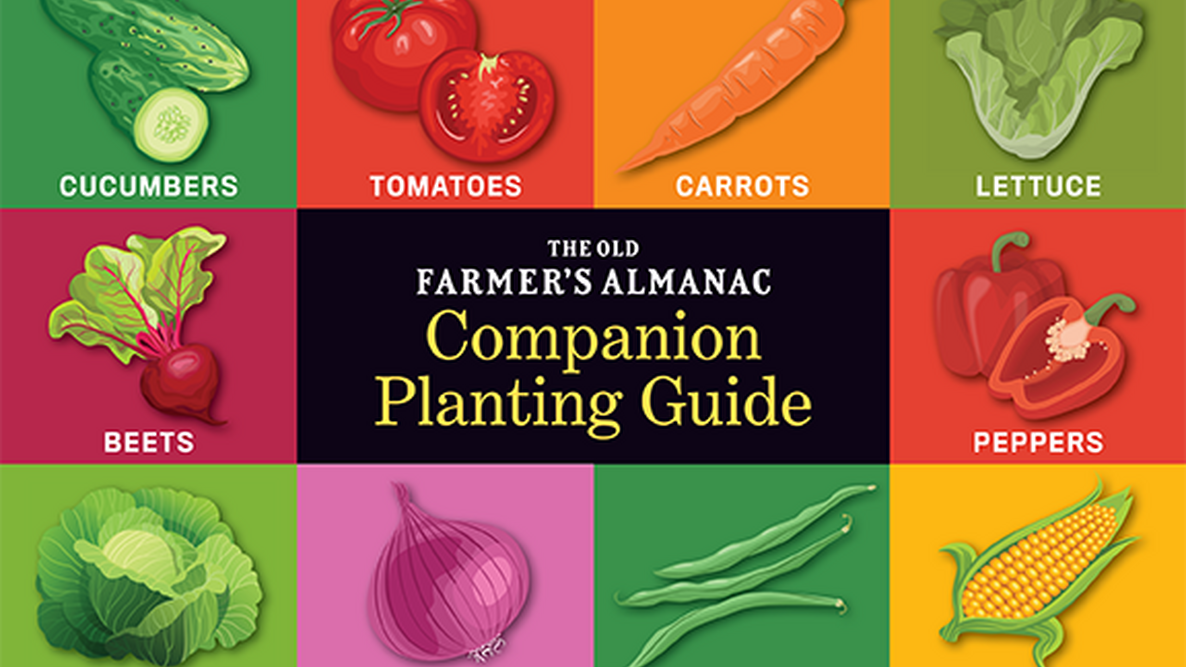
Image of best vegetables to grow together
5 different images of "best vegetables to grow together" from Pinterest:
- Carrots and onions: These two vegetables help to deter pests from each other. Carrots release a scent that repels onion flies, while onions release a scent that repels carrot root fly.
- Beans and corn: Beans fix nitrogen in the soil, which helps corn to grow. Corn provides shade for beans, which helps to protect them from the sun.
- Peas and lettuce: Peas and lettuce both need cool weather to grow, so they can be planted together in the spring or fall. Peas help to suppress weeds, while lettuce provides a groundcover to help retain moisture.
- Tomatoes and basil: Tomatoes and basil are a classic combination that tastes great together. Basil helps to deter pests from tomatoes, and tomatoes provide support for basil to climb.
- Potatoes and garlic: Potatoes and garlic both need full sun and well-drained soil. They can be planted together in the spring, and the garlic will help to deter pests from the potatoes.

Post a Comment for "The Ultimate Guide To Companion Planting: The Best Vegetables To Grow Together"